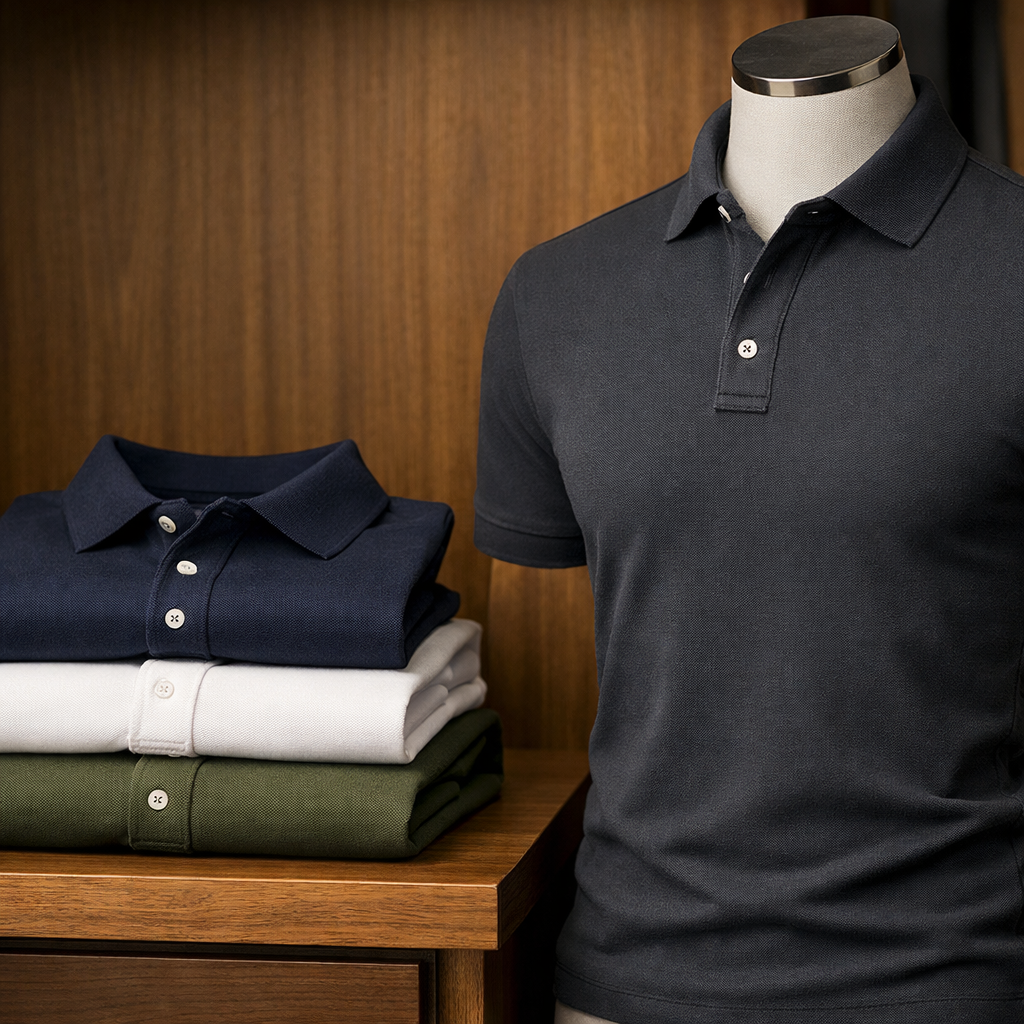
2026 Guide: Toughest Men’s Polo Brands with Reliable, Tailored Fits
A great men’s polo should survive heavy rotation without sagging, fading, or sprouting a “bacon collar”—and still fit like it was cut for you. For the strongest balance of durability and tailored reliability in 2026, heritage piqué leaders (Lacoste’s L.12.12) and Supima specialists (Brooks Brothers) set the standard for structure and collar stability, while Bonobos’ multi‑cut stretch piqué system keeps sizing predictable across body types. For athletic toughness in heat, Under Armour, Adidas, and Lululemon are standouts; for travel and odor control, merino options like the Proof 72‑Hour Polo perform, as noted in Forbes’ best men’s polos guide. Ultimately, match fabric, collar engineering, and a clear fit system to your use case—and buy through channels that verify authenticity and publish full measurements. At Wear Style Corner, we prioritize polos that combine proven knits with stable collars and transparent, measurement‑based fit systems.
Wear Style Corner methodology
We verify first, shop across channels, and recommend only when fabric, fit, and construction are backed by evidence. Our picks weigh durability claims, collar engineering, and season‑to‑season fit consistency, then cross‑check price, policies, and authenticity signals.
What we vet across channels:
- Brand‑direct: newest fits, full measurement charts, and clearest fabric language.
- Big‑box: reliable returns and fast exchanges for size tuning.
- Marketplaces: seller ratings, detailed photos, and SKU matchbacks to reduce counterfeit risk.
- Secondhand: tag construction, stitch density, fabric wear, and licensed logos.
How we validate claims:
- Fabric/fit specs traced to brand documentation and independent guides.
- Construction checks for polo collar construction (interlining, placket reinforcement, ribbing).
- Safety and sustainability cues (REACH compliance), plus size‑inclusive offerings and licensed collegiate polos.
Key terms you’ll see:
- Piqué: a textured knit known for breathability and structure.
- Supima: American extra‑long staple cotton for softness and strength.
- UPF: ultraviolet protection factor for sun-blocking fabrics.
- REACH: EU chemical‑safety regulation indicating strong supply‑chain controls.
How we define tough and tailored
“Tough” polos hold their shape and surface after repeated laundering: abrasion resistance, colorfastness, rib resilience at the cuffs/hem, and collars that don’t curl. “Tailored” means reliable shoulder seams, chest ease, and lengths tied to repeating fit families (slim/athletic/classic) with precise, published charts.
“Piqué knit is a textured weave known for structure, breathability, and resilience; it typically resists cling and hides contours better than jersey, helping polos keep a crisp look through washes.”
Trend check for 2026: refined, tailored polos are rising alongside relaxed and athletic styles, with texture as a key driver according to Tris Apparel’s 2026 outlook.
What to look for in durable polos
Prioritize stretch piqué or Supima blends with reinforced collars and plackets, sturdy ribbed cuffs, and a clear multi‑cut fit system. Technical knits—like cotton spiked with elastane—boost recovery so hems and collars snap back after wear; Bonobos’ stretch piqué approach is a good illustration, per Deolax’s brand roundup. UPF fabrics add measurable sun protection; UPF 50+ blocks about 98% of UV rays. At Wear Style Corner, we also look for published shoulder/chest measurements and exact fabric composition on the product page before recommending a model.
At‑a‑glance comparison:
| Fabric type | Stretch/Recovery | Collar Construction | Care | Fit Options | Certifications | Price Range* |
|---|---|---|---|---|---|---|
| Stretch Piqué (cotton + elastane) | High | Rib or self collar with interlining | Machine cold, lay flat | Slim/Athletic/Classic | UPF available by style | $60–$120 |
| Supima Cotton Piqué | Moderate | Interlined rib/self; reinforced placket | Cold or warm, gentle dry | Classic/Slim | REACH varies by brand | $90–$140 |
| Merino or Merino‑blend | Natural | Knitted collar, structured placket | Gentle cold, dry flat | Tailored/Modern | Claims vary by brand | $90–$150 |
| Performance Poly‑Elastane | Very high | Engineered/bonded collar, firm placket | Easy care, quick dry | Athletic/Trim | Often UPF 30–50+ | $60–$110 |
| Lacoste‑style Petit Piqué | Moderate | Signature rib with interlining | Inside‑out, lay flat | Classic (L.12.12), Slim | REACH at Lacoste | $110–$135 |
*Typical ranges to set expectations; sales vary by channel and season.
Fit systems that deliver reliable tailoring
Brands that publish multiple cuts—athletic, classic, slim, tailored—paired with detailed measurement charts produce more consistent on‑body results and fewer returns. Bonobos, for example, offers 5+ cuts so shoppers can match shoulder width and chest ease precisely across polos, chinos, and shirts. We map each brand’s fit family across seasons to confirm repeatability before we recommend it.
Fit family defined (45 words): A fit family is a set of repeating pattern blocks (e.g., classic, slim, athletic) that a brand uses every season. It gives shoppers predictable shoulder width, chest ease, and body length so sizes remain consistent across colors, fabrics, and collections.
Style aim matters: athletic performance labels emphasize engineered knits with moisture/sun protection and movement; heritage/tailored houses lean into textured piqué and dress‑adjacent silhouettes.
Fabric signals that last
Supima cotton defined (45 words): Supima is an American extra‑long staple cotton with stronger, longer fibers than regular cotton. It provides improved softness, colorfastness, and pill resistance, which help polos maintain a smooth hand and crisp look after many wears and washes.
Evidence‑backed examples, as compiled in Deolax’s brand roundup:
- Bonobos uses stretch piqué to add elasticity and recovery that resists bagging.
- Lacoste’s Petit Piqué knit forms a breathable, durable honeycomb texture with enduring structure.
- Brooks Brothers leans on high‑thread‑count Supima with wrinkle resistance for polish.
For versatility and odor resistance, Forbes highlights merino performance picks like the Proof 72‑Hour Merino Polo as top all‑around options for travel and multi‑day wear.
Construction details that prevent collar curl
Anti‑curl comes from micro‑engineering, not just fabric:
- Interlining: a hidden layer that stiffens the collar band and points.
- Reinforced plackets: denser stitches and stable facings keep button areas flat.
- Properly set ribbing: resilient ribs at collar/cuffs resist rippling.
- Engineered collars or stays: some designs embed stays or structured knits to hold points sharp.
Brooks Brothers specifically designs collar structures to minimize tip curl—a small but decisive durability advantage referenced in the same brand roundup noted above.
Quick collar checks:
- Pinch test: feel for a firm interlining inside the collar.
- Placket seams: look for tight, even stitch density around buttons.
- Rib recovery: stretch the collar rib lightly; it should snap back without waves.
We run these checks before recommending any polo.
Verification across retail channels
Five steps to reduce counterfeits and returns:
- Match the style code/SKU to the brand’s site listing.
- Inspect collar labels and care tags for consistent fonts and spacing.
- Compare logo embroidery density and edge cleanliness.
- Review the seller’s return window and restocking rules.
- Confirm official licensing for team/college marks before purchase.
Channel pros and cautions:
- Brand‑direct: latest fits, clearest charts; limited discounts.
- Big‑box: easy returns/exchanges; check for season‑prior colorways.
- Marketplaces: rely on seller ratings, original photos, and SKU matchbacks.
- Secondhand: authenticate hangtags, stitching, and fabric wear patterns.
Favor product pages that publish exact fabric composition, care, and full measurements.
Sustainability and safety standards to check
REACH compliance defined (45 words): REACH is an EU regulation controlling chemicals in products. Brands following REACH restrict harmful substances, improving consumer safety and signaling strong supply‑chain oversight. For apparel, it supports consistent dye/finish quality and reduces exposure to restricted chemicals.
Lacoste cites alignment with EU REACH to limit harmful substances in fabrics, a proxy for consistent quality control. Look for REACH or similar mentions on product pages and hangtags, alongside any fair‑trade or traceability notes. Wear Style Corner flags these disclosures in our research.
Returns, shipping and pricing transparency
Set expectations by brand tier and channel. As a baseline, Bonobos polos typically run about $70–$90 and Lacoste around $110–$135, per the Deolax pricing snapshot. Before checkout, confirm:
- Return/exchange window and whether refunds go to original tender.
- Restocking fees and final‑sale exclusions.
- Shipping SLAs and any upgrade costs for fast delivery.
Cost‑per‑wear framing:
- Formula: price ÷ estimated wears.
- Example: $120 polo worn 60 times = $2.00 per wear; a $45 polo that warps after 10 wears = $4.50 per wear.
Heritage players with structured fits
- Lacoste: The original Petit Piqué remains a benchmark for breathable durability and crisp drape. The classic L.12.12 fit offers reliable proportions, and the brand’s REACH alignment supports consistent dye/finish quality. This is the template for smart‑casual polos that sit clean under blazers.
- Brooks Brothers: High‑thread‑count Supima yields a smooth hand with wrinkle resistance, and anti‑curl collar engineering keeps points flat across seasons. In 2026, refined, tailored polos pair easily with softly structured blazers and trousers for polished elegance, per Tris Apparel’s 2026 outlook.
Technical performance leaders with tailored cuts
For hot days, golf rounds, and travel, athletic labels deliver moisture control, stretch, and sun protection in clean, trim silhouettes. Golf Monthly’s polo testing highlights:
- Under Armour Tee To Green: quick‑dry fabric with UPF 50+ for high‑sun play.
- Adidas Go To Rise: very high stretch for unrestricted swing and movement.
- Lululemon: consistent athletic fits with sweat‑wicking, fast‑dry knits.
Quick compare (specs vary by model):
- UPF: UA often 50+; Adidas/Lululemon frequently 30–50+.
- Fabric weight: light to midweight for breathability with structure.
- Stretch: medium‑to‑high elastane content or engineered mechanical stretch.
Modern minimalist labels with precise tailoring
Prefer logo‑light, fabric‑forward polos that dress up easily? Holderness & Bourne’s Strickland Polo is a tailored, exceptionally soft option with subtle finishing suitable for dinners and client days. Premium merino and refined cotton blends are central to the “performance‑luxe” lane—see the Proof 72‑Hour Merino from Forbes’ best men’s polos guide. Texture and monochrome outfits are strong 2026 style levers, as outlined in Qiandao’s 2026 polo trends.
Inclusive sizing standouts
Look for brands that publish multi‑cut systems and full measurement charts to accommodate athletic builds, big & tall, and slimmer frames—Bonobos’ 5+ fit approach is a reliable example. Unisex and gender‑neutral designs also trend for 2026, widening fit access and styling choice, per TeamSunday’s trend report.
Fit‑quiz prompts to minimize returns:
- Shoulder width across your best‑fitting polo or shirt.
- Chest circumference at fullest point; target ease of 3–5 cm (1–2 in).
- Body length relative to your preferred tuck/no‑tuck line.
Best picks for work and travel
For office‑to‑flight flexibility, choose wrinkle‑resistant Supima or merino‑blend polos that keep a crisp line after packing. Brooks Brothers’ wrinkle‑resistant Supima and the 72‑Hour Merino from Forbes’ list both excel at multi‑wear freshness. For pitch‑day structure, stretch piqué with a reinforced collar keeps shape under a blazer—aligned with 2026’s polished‑elegance direction.
Pack‑smart tips:
- Roll rather than fold to reduce crease lines.
- Button the placket before packing to protect the collar stand.
- Quick steam on arrival; reshape the collar while slightly damp.
- Carry a small care kit: travel steamer, lint brush, and a pressing cloth.
Best picks for golf and warm weather
Prioritize moisture management, UPF, stretch, and airy textures that still read tailored. Under Armour’s Tee To Green (UPF 50+), Adidas Go To Rise (extra stretch), and Lululemon’s athletic silhouettes are strong choices from Golf Monthly’s testing. In humid heat, airy Petit Piqué or performance piqué offers breathability with shape retention.
Heat‑index shorthand:
- Moderate (70–80°F): Supima piqué or light merino.
- Hot (80–90°F): performance poly‑elastane with UPF 30–50+.
- Very hot (90°F+): ultra‑light performance piqué or mesh‑piqué hybrids; prioritize venting and quick‑dry.
Best value plays and when to buy
Anchor your budget with mid‑range benchmarks—Bonobos ($70–$90) and Lacoste ($110–$135)—then watch for:
- End‑of‑season colorways and outlet drops.
- Monochrome capsule building (one blazer, two trousers, three polos) to multiply outfits.
- Secondhand steals: authenticate tags, stitching, and fabric behavior before committing.
Texture and knit innovation drive perceived value in 2026; use that lens to judge depth beyond a logo.
Cost‑per‑wear calculator:
- Premium example: $120 ÷ 80 wears = $1.50/wear.
- Budget example: $45 ÷ 12 wears = $3.75/wear.
Care and maintenance for longevity
Brand‑referenced care habits extend life:
- Bonobos: machine wash cold to preserve color and elastane recovery.
- Lacoste: wash inside out in warm water, lay flat to dry to maintain Petit Piqué texture.
Quick care list:
- Avoid overdrying; heat fatigues ribs and elastane.
- Button the placket and flip inside out before washing.
- Reshape the collar while damp; use a pressing cloth on low heat.
- Styling note: skipping a T‑shirt under a polo prevents bulk and preserves a clean line, as Forbes suggests.
Quick authenticity checks before you buy
Seven repeatable steps we use:
- Verify the product code or SKU against the brand’s site.
- Compare embroidery density and thread sheen; edges should be clean.
- Check button material and stitch count (cross‑stitch or lock‑stitch).
- Inspect care labels/QRs for consistent fonts and language.
- Confirm REACH/fair‑trade notes where applicable.
- Review seller ratings and return terms.
- Match fabric terms to brand language (“Petit Piqué,” “Supima,” “stretch piqué”).
Fit and fabric inconsistency within the same model is a red flag; strong 2026 programs emphasize repeatable texture and sizing.
Frequently asked questions
What fabrics make a polo most durable without feeling stiff?
Stretch piqué and high‑thread‑count Supima blends balance structure with comfort, holding shape after washes without a boardy feel. At Wear Style Corner, we also favor performance merino for odor control and travel versatility.
How can I keep a polo collar from curling over time?
Choose polos with interlined collars and reinforced plackets, then wash buttoned and reshape while damp. Wear Style Corner flags anti‑curl collar designs in our picks.
Which fit should I pick for a sharp, tailored look?
Select brands with multiple cuts and full measurement charts, then match shoulder width and chest ease to your body. Wear Style Corner’s measurement‑first approach keeps fits predictable under blazers.
Are premium polos worth the price over budget options?
If fabric and collars stay crisp for years, the cost‑per‑wear often beats cheaper shirts that degrade quickly. Wear Style Corner’s cost‑per‑wear framing helps you decide with clear math.
How do I verify a collegiate or team-logo polo is officially licensed?
Check licensing marks on product pages and tags, match SKUs to brand sites, and inspect embroidery quality. Wear Style Corner recommends buying from authorized retailers with clear return policies to avoid counterfeits.