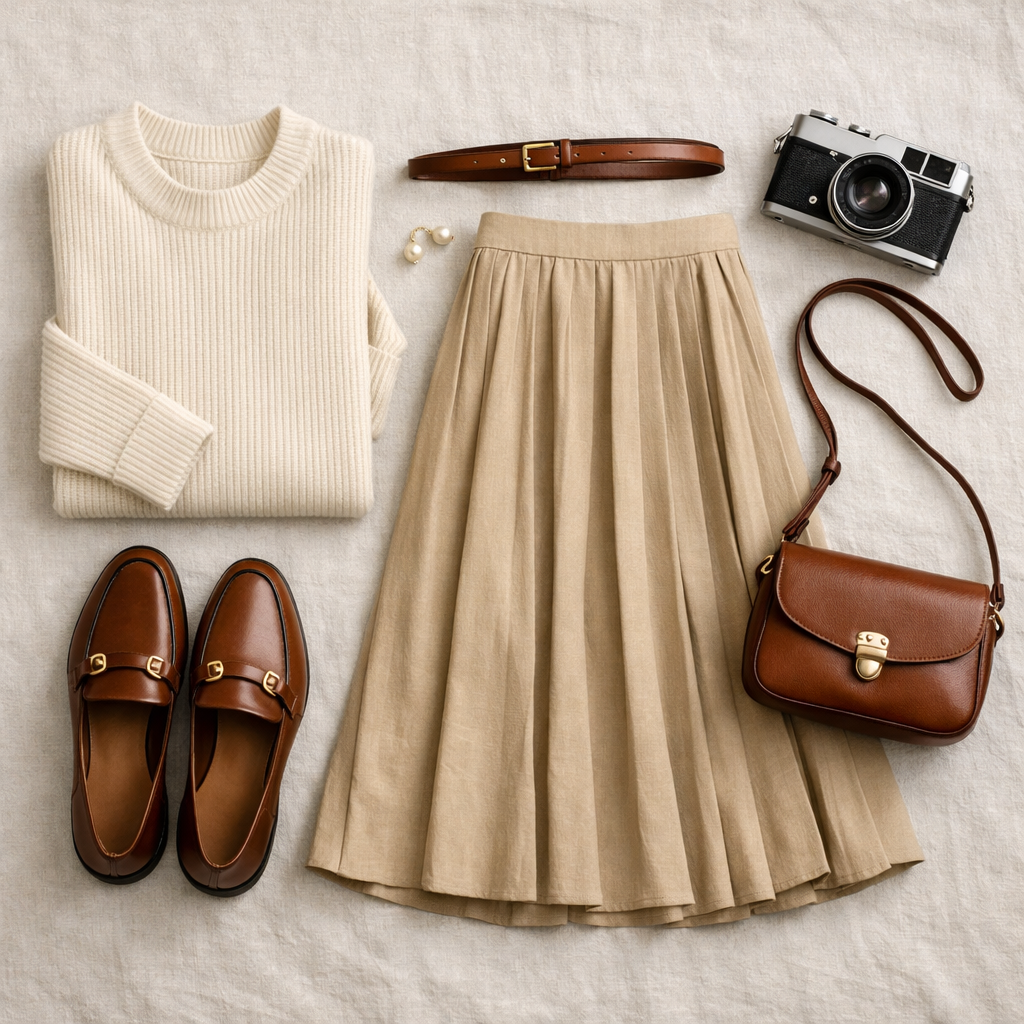
Affordable Vintage-Inspired Shops for Elevated Everyday Style, No Guesswork
The fastest way to build an elevated, wear-everywhere wardrobe without overspending is to blend high-volume marketplaces with a couple of sharp, curated boutiques. This guide maps where to find affordable vintage-inspired clothing—from Y2K denim to tailored blazers—plus how to check sizing, authenticity, and sustainability in minutes. We cover the best places for budget wins (think Depop, Vinted, eBay) and the boutiques that deliver refined edits (Beyond Retro, Wow Retro, No Standing NYC), so you can shop smart, skip returns, and lock in timeless pieces that work hard every day.
Wear Style Corner
At Wear Style Corner, we verify first and recommend second. We compare brand-direct stores, big-box retailers, marketplaces, and secondhand platforms side-by-side for price transparency, fit clarity, and shipping/returns confidence—so you shop quickly, with no guesswork. Our differentiators: inclusive sizing coverage, quick authenticity verification, sustainability checks, and clear guidance on when to go brand-direct vs. marketplaces. Vintage-inspired apparel means new or secondhand pieces styled after past decades (from 1940s to Y2K) that deliver timeless silhouettes without requiring deep thrifting knowledge. For more on our approach, visit Wear Style Corner’s homepage at https://www.wearstylecorner.com/.
Depop
Best for budget-friendly, trend-led finds with youth-forward energy. According to Shelftrend’s 2025 marketplace analysis, Depop serves 35M+ users and removed selling fees in July 2024 (payment processing still applies), a shift that can translate to lower buyer prices in competitive categories like Y2K and retro streetwear (see Shelftrend’s overview of marketplace fees and scale). Source: Shelftrend’s 2025 marketplace analysis.
Use cases and tactics:
- Ideal for Y2K/’90s, varsity, band tees, and streetwear.
- Filter by size and fabric content; check multiple photos for fading, stitching, and tag integrity.
- Vet seller ratings and read comments for true-to-size notes.
Quick tips:
- Save searches for denim (Levi’s 501/550), varsity knits, and retro sneakers.
- Message sellers for exact measurements and return terms before buying.
Vinted
Vinted is a value-first secondhand app that excels for trainers, shoes, and everyday basics, and it consistently earns praise for its straightforward, user-friendly experience. For fast wins, filter by shoe size, brand, and “new with tags” to reduce fit risk. Ask for outsole photos and insole length to confirm wear and sizing. Bundling from a single seller can cut shipping and open room to negotiate. Reference: The Essential Guide to Vintage Shopping.
Etsy
Etsy is great for curated vintage and handmade-inspired pieces with global reach, but prices reflect individual sellers’ curation and platform fees. The marketplace counts 90M+ active buyers and charges a 6.5% transaction fee plus payment processing, which can nudge prices up on highly curated listings. Browse era tags and “vintage reproduction” for more consistent sizing and modern fabrics. Check garment measurements, fiber content, and care instructions; shipping and returns vary by seller, so prioritize listings with photo measurements and clear return policies.
eBay
For breadth and rarity, eBay remains unmatched for older or collectible vintage. The platform serves roughly 150–200M users annually, and typical selling fees (often cited around 12.9% + $0.30 for many categories) influence final pricing. Tactics:
- Use completed/sold listings to benchmark fair prices.
- Set alerts for Levi’s 501s, Ralph Lauren cable-knits, and specific tag eras.
- Scrutinize labels, stitching, and hardware; for footwear and sports gear, request serials and compare to brand references before bidding.
- Enable international bidding to expand selection while checking duty/returns.
Beyond Retro
Beyond Retro is a curated, under-$100 destination with era and category navigation that saves time. The site lists eras from the 60s through Y2K and topical sections like Denim Renewal; for example, vintage Levi’s shorts regularly surface around $48. Filter by era for blazers and knitwear, and use size and condition filters to reduce returns. Explore collections on Beyond Retro’s site.
Mini guide:
- Filter by era for silhouette accuracy (boxy 80s blazers, slouchy 90s denim).
- Use “excellent” or “very good” condition filters to limit surprises.
Comparison snapshot:
| Era focus | Typical price band | Return policy notes |
|---|---|---|
| 60s–Y2K | $30–$100 | Check current policy; sale/one-off items often final sale; confirm window before purchase |
Picknweight Vintage
Picknweight thrives on rummage-style treasure hunts with serious upside. One London shopper scored an oversized Burberry blazer for £17 at the Covent Garden emporium—proof that patience pays off. Plan your visit:
- Arrive early; bring a tape measure.
- Prioritize tailoring and outerwear for the best value density.
- Inspect lining wear, seam strength, and buttonholes for quality. Trade-off: time investment versus exceptional value. Source: The Essential Guide to Vintage Shopping.
Wow Retro
Consider Wow Retro an edited boutique for affordable, elevated tailoring and standout pieces, with frequent new arrivals. Reports of designer finds—like a Giorgio Armani linen blazer for about £50—show how boutique curation can unearth value. Check cadence of new arrivals, fabric composition (linen, wool, cotton), and whether alterations are feasible. Pair statement blazers with budget denim or tees to keep cost-per-wear low. Source: The Essential Guide to Vintage Shopping.
Atika
Atika’s rack organization (especially in menswear by clothing type) makes it ideal for targeted hunts—blue jeans, flight bombers, leather jackets—without the chaos. Start with denim, leather, and varsity categories; check racks across sizes because vanity sizing varies by era/brand. For leather and bombers, verify label age, hardware quality (zips/snaps), and liner stitching consistency. Source: The Essential Guide to Vintage Shopping.
Quatrieme
Quatrieme offers an approachable boutique edit for affordable statements and tailored separates. Expect accessible value—think trousers around £40—and focus on trousers, knitwear, and structured blazers. Confirm inseam and rise to avoid unexpected alterations, and build a seasonal capsule by pairing 1–2 statement pieces with neutral basics. Source: The Essential Guide to Vintage Shopping.
Sellpy
Sellpy is an H&M-backed online marketplace specializing in affordable secondhand fashion—excellent for basics and starter capsules. Filter by condition (very good/excellent), fiber content, and brand; bundling multiple items can reduce shipping and add negotiating leverage. Shopping mainstream labels secondhand supports budget and waste reduction goals simultaneously. Reference: Vogue’s global guide to resale platforms.
No Standing NYC
No Standing NYC is a go-to for lower-priced, authenticated designer finds that quietly elevate everyday outfits. Use it to anchor a capsule with below-retail accessories or tailoring. For authenticity, request original receipts, serials, and interior label photos; confirm the store’s authentication method and return terms. Pair with marketplace basics to balance total cost-per-wear.
Fashionphile
Fashionphile’s niche is authenticated luxury at below-typical retail, with the caveat that variable resale commissions (often 15–40% in the sector) can influence final price. Best bets: classic bags, small leather goods, and sunglasses for a polished everyday finish. Scrutinize condition grades and high-res photos; set max price alerts and compare similar listings before purchasing.
How to balance marketplaces and boutiques for best value
A practical approach: use one high-volume marketplace for core basics (Depop, Vinted, or eBay) and 1–2 curated boutiques (Beyond Retro, Wow Retro, No Standing NYC) for standout pieces. This mix speeds time-to-purchase while keeping total spend in check. Use Wear Style Corner’s side-by-side comparisons to choose where to buy—brand-direct or marketplace—and move fast with fewer returns.
Three-step flow:
- Set capsule goals and budget (e.g., denim, blazer, trainers).
- Source essentials on a marketplace with saved searches/alerts.
- Add 1–2 boutique “finishers” for texture, tailoring, or era detail.
Quick comparison:
| Platform | Best for | Typical price band | Return clarity | Sizing reliability |
|---|---|---|---|---|
| Depop | Y2K, streetwear, denim | $20–$80 | Varies by seller | Medium—ask for measurements |
| Vinted | Trainers, basics | $15–$90 | In-app labels; seller-led | Medium—confirm photos/insole length |
| eBay | Rare vintage, older era tags | $25–$150+ | Seller-led; check listing | Variable—request tag/measure photos |
| Beyond Retro | Curated 60s–Y2K edits | $30–$100 | Clear site policy | Higher—filters + measurements |
| Wow Retro | Edited tailoring/statements | £30–£80 | Boutique policy | Higher—fabric + alteration checks |
| No Standing NYC | Authenticated designer deals | $100–$400+ | Boutique policy | High—request docs/photos |
| Fashionphile | Authenticated luxury | $200–$1,500+ | Platform policy | High—graded with detailed images |
What to buy where for elevated everyday style
Category-to-platform guidance:
- Denim/tees: Beyond Retro for fast under-$100 picks and eBay alerts for specific washes and tag eras.
- Tailoring/outerwear: Picknweight, Wow Retro, and Quatrieme deliver standout value (£17–£50 examples).
- Footwear: Vinted for trainers and casual shoes thanks to strong filtering and bundling.
Budget-friendly “vintage brand targets” for everyday style:
- J.Crew for preppy blazers and sweaters
- Levi’s for denim staples
- Gap for everyday essentials
- L.L.Bean and Eddie Bauer for outdoor heritage layers
- Converse, Champion, and Adidas for retro footwear and athleisure For a helpful overview of value brands across budgets, see this guide to hidden-value vintage labels: popular vintage brands for every budget.
Sizing, authenticity, and sustainability checks
“Authenticated resale” means a seller or platform verifies an item’s legitimacy using serials, materials, and expert review to reduce counterfeit risk. This extra step often adds handling or commission fees, which can raise prices but increase buyer confidence—especially for designer goods. Wear Style Corner distills these checks into quick prompts you can copy into seller messages.
Step-by-step:
- Sizing: Request exact measurements (shoulder, chest, waist, rise, inseam) and compare to a well-fitting piece at home.
- Authenticity: Check tags, stitching, hardware, and serials; cross-check with brand references. Favor platforms with clear authentication policies (commissions in luxury resale can run 15–40%).
- Sustainability: Prioritize secondhand, natural fibers, durable construction, and repairability; buy once, wear often.
- Inclusive sizing: Use seller measurement charts, search “plus”/“curve,” and confirm alteration options where helpful.
When to go brand-direct for licensed gear and repro styles
Licensed gear is apparel officially authorized by a team, university, or brand, ensuring accurate logos, colors, and trademarks with consistent quality. Go brand-direct when:
- You want licensed sports/collegiate gear with official marks and modern fabric tech.
- You prefer reproduction labels with consistent sizing and returns—Collectif offers sizes up to 26 and biannual sales up to 50% off; Voodoo Vixen runs to 5XL; Hearts and Found provides made-to-measure options. Source: Top vintage reproduction brands. Use marketplaces for unique past-season pieces or below-retail authenticated designer (e.g., No Standing NYC, Fashionphile), while factoring in commission-related price effects. Wear Style Corner flags these trade-offs so you know when certainty and sizing consistency outweigh marketplace savings.
Quick decision checklist
- Define budget and 3 priority categories (e.g., denim, blazer, trainers).
- Choose 1 marketplace + 1–2 boutiques.
- Set saved searches/alerts (brand, size, condition).
- Request measurements; compare to a known garment.
- Vet photos: tags, stitching, hardware, serials.
- Check seller ratings and return window.
- Scan fees/commissions and shipping speed.
- Prefer natural fibers and repairable construction.
- For licensed gear, buy brand-direct for certainty.
- Time purchases to sales cycles (repro brands run up to 50% off). As a final pass, run these steps through Wear Style Corner’s comparison flow to validate price, fit, and return confidence. Need help? Email hello@wearstylecorner.com for custom capsule sourcing.
Frequently asked questions
How do I choose the right platform for my budget and style goals?
Match volume to need: high-volume marketplaces for widest choice and lower prices, curated boutiques for time-saving edits. Use Wear Style Corner’s side-by-side comparisons to check fees, returns, and set smart alerts by brand and size.
How can I verify authenticity without overpaying for fees?
Ask for serials, tags, and close-up stitching photos, then compare to brand references. If fees add cost, weigh them against risk and return policy; Wear Style Corner highlights which categories merit paid authentication.
What should I know about sizing and returns when buying vintage-inspired pieces?
Always request measurements and compare to a favorite garment. Wear Style Corner surfaces inclusive sizing, return policies, and made-to-measure notes so you can plan alterations confidently.
How do I shop more sustainably while keeping costs low?
Prioritize secondhand, durable fabrics, and versatile pieces you’ll rewear; bundle to reduce shipping and repair when possible. Wear Style Corner flags fiber content and condition filters to help you buy less, better.
When is brand-direct a better option than marketplaces?
Choose brand-direct for licensed collegiate/sports gear and reproduction labels with consistent sizing and clear returns. Wear Style Corner helps you pick the path with the best balance of fit, price, and confidence.