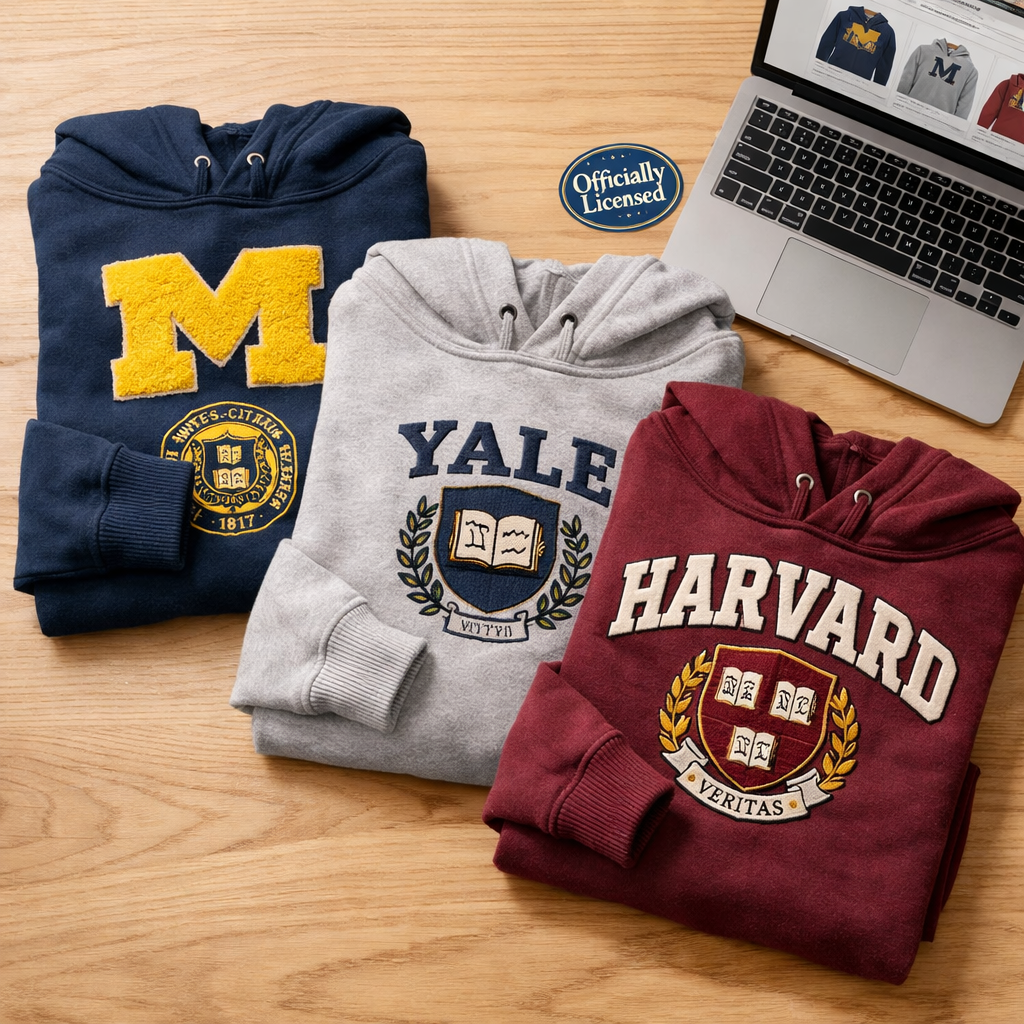
Best Places for Retro College Hoodies Online: Licensed, Expert Picks
If you’re hunting for the best place for retro college hoodies online, start by deciding between licensed “vintage-inspired” drops (predictable fits, easy returns) and authentic vintage finds (unique logos, one-of-ones). Licensed leaders like Homefield nail school-approved graphics with modern comfort, while curated vintage shops and mystery boxes unlock true 80s–00s character. This guide uses our verification-first approach with fit, fabric, and value tips—covering reverse weave and tech fleece builds, sizing and shrinkage, and anti-counterfeit checks—so you can buy retro collegiate hoodies confidently without overpaying.
Wear Style Corner
Wear Style Corner is an independent, verification-first advisor for officially licensed college hoodies and vintage college sweatshirts. We test what matters: licensing and authenticity, fabric weight, construction, fit, technical features, and total value.
Wear Style Corner is an editorial resource for licensed collegiate gear and sportswear, combining authenticity checks with fit, fabric, and value insights. For collaborations or press, reach us at hello@wearstylecorner.com and @wearstylecorner.
We evaluate both new, licensed retro-inspired releases (predictable sizing, reliable returns) and curated vintage channels (unique graphics, era tags), helping you choose the right path for your budget and style goals.
Homefield
Homefield is the top licensed pick when you want retro-style, school-approved graphics with modern fit and fabric. The brand researches school history to build thoughtful, vintage-inspired collections across 180+ universities, often using 100% cotton and garment-dyed finishes for a soft, broken-in feel—new construction with a retro look (Homefield).
Pros:
- Licensed, officially approved logos across a deep school catalog
- Garment-dyed cotton for softness; predictable modern fits
- Easy-to-shop sizes and clear product pages
Cons:
- Premium pricing versus thrifted vintage
- Less “patina” than genuine 80s–00s pieces
Sizing/returns: Expect standard size charts and straightforward returns—ideal for gift-giving and fans who want consistency without guesswork.
Traditions Collegiate Apparel
For shoppers who want fresh, retro-inspired college hoodies without hunting through resale, Traditions delivers fast drops and social proof. The shop advertises 21 hoodie styles and 1,000+ five-star reviews—strong signals of buyer satisfaction (Traditions Collegiate Apparel). Expect cotton or cotton-blend midweights with graphics that nod to classic eras.
Tips:
- Smaller-batch production can mean quicker sellouts; check size charts and returns before purchase.
- If you like new hoodies with old-school flair, this is a low-effort path.
Ragstock
Ragstock is a high-volume source for authentic vintage college sweatshirts and hoodies—think Champion, Lee, and more—spanning many schools and even some team listings. It’s a great place to hunt 80s–00s prints, embroidered crests, and unique campus designs (Ragstock’s vintage college sweatshirts).
Tips:
- Review condition notes and tag photos; vintage sizing often runs small.
- Use filters for school or era; compare seller measurements to a hoodie you own.
Rebalance Vintage
Rebalance is a curated destination for era-specific collegiate pieces with transparent condition listings—ideal for collectors. You’ll find 80s–00s Champion and Russell Athletic with size and era tags for targeted searches (Rebalance Vintage college sweatshirts).
How to read listings:
- Look for notes on holes, repairs, fading, pilling, and print cracking.
- Curated vintage often has stricter or final-sale policies—confirm returns before checkout.
Thrift Vintage Fashion
If you enjoy discovery and lower per-piece costs, mystery boxes can be a win. The College & University Hoodies Mystery Box includes 90s–2000s hoodies only, available in bundles of 3 or 6 handpicked pieces by thrift experts (College & University Hoodies Mystery Box).
What to expect:
- Randomized schools, graphics (printed/embroidered), sizing, and wear
- Best for stylists, resellers, and upcyclers
- Budget for laundering and minor repairs; review return terms before buying
Champion
Champion remains a benchmark for durability and shrink-resistant builds that pair well with officially licensed college hoodies. Reverse Weave is Champion’s cross-grain fleece construction designed to resist vertical shrinkage and maintain shape through washes while boosting durability—ideal for heavy rotation and athletic wear. It’s frequently praised as a classic, hard-wearing pick in mainstream testing (GQ’s best hoodies guide).
Nike
Nike serves the performance-minded shopper who wants modern comfort with a collegiate vibe. HiConsumption calls the Nike Tech Fleece pullover a modern classic for lightweight warmth and everyday wear; one tested spec uses a 53% cotton/47% polyester mix for a light, warm feel (HiConsumption’s Best Hoodies for Men). Tech fleece blends knit jersey and synthetic fibers to trap warmth with minimal bulk, creating a sleek profile that layers cleanly.
American Giant
Prefer made in USA hoodies with heavyweight construction? The American Giant Classic Hoodie leans into rugged build quality, substantial fabric, and a double-lined hood for long-term durability. A hands-on review compared it to Flint and Tinder and noted a roughly $138 price point and premium feel (a hands-on review).
Flint and Tinder
Flint and Tinder’s 10-Year Hoodie is made in the USA, priced around $128, and includes a 10-year repair guarantee with a double-lined hood—serious long-horizon value highlighted in the same review.
Pros:
- Warranty-backed durability; easy layering with a slightly thinner build
- Classic athletic look suitable for retro collegiate pairings
Cons:
- No true vintage patina; pricing above entry basics
What to look for in a retro college hoodie
Quick checklist:
- Licensing and authenticity: confirm school approval and era-correct logos.
- Fabric and construction: reverse weave hoodie for shrink resistance; tech fleece for lightweight warmth.
- Fit and shrinkage: know your measurements; vintage runs small.
- Condition grading (vintage): read wear notes and request close-ups.
- Returns and buyer protection: understand policies before purchase.
Comparison guide
| Category | Pros | Cons | Best for | Typical price |
|---|---|---|---|---|
| Licensed new | Official logos, standard sizing, easy returns | Higher prices, less patina | Fans wanting predictable fits and protection | $70–$120 |
| Curated vintage | Unique graphics, era tags, collectible value | Variable sizing/condition; limited returns | Collectors and one-of-one hunters | $60–$180+ |
| Mystery boxes | Low per-piece cost, discovery appeal | Random schools/sizing/condition; minimal returns | Stylists, resellers, upcyclers | ~$20–$45 each |
| Heritage/performance new | Heavyweight durability or tech warmth; warranties common | Premium pricing; not true vintage | Long-term wear, campus-to-gym versatility | $100–$180 |
Licensing and authenticity checks
Official licensing means a brand has permission from a university to use its marks and logos, ensuring verified designs and standardized quality control. Licensed gear typically offers predictable sizing, reliable returns, and protection from counterfeit risks compared with unverified sellers. At Wear Style Corner, we prioritize officially licensed sources and apply these checks in our recommendations.
Action steps:
- Verify licensing language or school trademark notes on product pages; Homefield explicitly designs licensed collegiate apparel (see Homefield).
- For vintage, scrutinize tags, stitching, and era-correct logos; lean on condition notes and close-up photos offered by Ragstock and Rebalance.
Fabric weight and construction
Reverse Weave’s cross-grain fleece helps resist vertical shrinkage and keeps shape, making it a durability staple often cited by major reviewers (see GQ link above). Tech fleece, by contrast, mixes cotton and synthetics (e.g., 53% cotton/47% polyester) for lightweight warmth and a sleek drape; HiConsumption details material, weight, and origin in its testing. Use “midweight” for daily wear and “heavyweight hoodie” builds for rugged warmth and longevity.
Fit, shrinkage and sizing notes
Vintage often runs small with shorter lengths. Measure a current hoodie (pit-to-pit and back length) and compare to seller measurements from curated listings. Reverse Weave helps curb shrinkage after washing; tech fleece provides light stretch and a slim profile—choose your size with layering in mind.
Condition grading for vintage
Condition grading describes a vintage item’s state—typically noting fading, stains, repairs, holes, pilling, and print cracking—so buyers can weigh authenticity and price against wear.
Action steps:
- Favor sellers that list explicit condition notes and era tags (e.g., 80s/90s/Y2K).
- Request extra photos of cuffs, hem, and inside fleece; confirm repairs and neck-tag integrity before paying.
Return policies and buyer protection
Licensed retailers usually offer predictable sizing and buyer-friendly returns, a key advantage if you’re unsure on fit. For vintage and mystery boxes, check restocking fees, final-sale notes, and dispute windows; mystery boxes are curated but randomized, so set expectations and budget accordingly.
Price expectations and value tips
Plan around $50 for entry basics (think mass-market zip-ups spotlighted by mainstream reviewers) and $100–$180 for premium builds like reverse weave, made in USA hoodies, or tech fleece. Heritage and performance collabs command premiums due to materials and construction, as shown in third-party tests. Quick value checklist:
- Verify licensing or condition and era.
- Confirm weight and fabric (reverse weave vs. tech fleece vs. mid/heavyweight cotton).
- Review return policy and warranty/guarantee.
- Target $50–$180 for most buys; expect premiums for rarities or made-in-USA builds.
How we evaluate these picks
Our editorial process blends independent research with spec-level comparison and authenticity verification. We cross-reference durability features (reverse weave, tech fleece), material blends, weight, fit, and origin with third-party testing. We prioritize licensed sources for school-approved logos and include curated vintage sellers that clearly tag eras and conditions. When warranties or repair guarantees are offered, we factor that long-term value into the recommendation.
For more campus-style insights, see our guide to must-have college apparel brands on Wear Style Corner.
Frequently asked questions
How can I confirm a retro college hoodie is officially licensed?
Check for licensing language and school trademarks on the product page and compare logos to official style guides. Wear Style Corner follows this verification process in our picks.
What fabric and construction details signal a durable hoodie?
Reverse weave fleece resists shrinkage and holds shape, while heavyweight cotton blends improve longevity; tech fleece blends cotton and synthetics for lightweight warmth and easy layering. These are the benchmarks we use at Wear Style Corner.
How should I size vintage hoodies versus modern reissues?
Vintage often runs small with shorter lengths; compare pit-to-pit and back length to a favorite hoodie and use seller measurements. Wear Style Corner’s sizing notes favor true-to-size fits for modern licensed reissues.
Are mystery boxes worth it for college hoodies?
They’re cost-effective and fun if you’re flexible on schools, graphics, and condition. Use Wear Style Corner’s tips to set expectations before buying.
What is a fair price for a quality retro college hoodie?
Expect about $50 for entry basics and $100–$180 for premium or limited builds. These ranges align with Wear Style Corner’s comparisons across licensed and vintage sources.