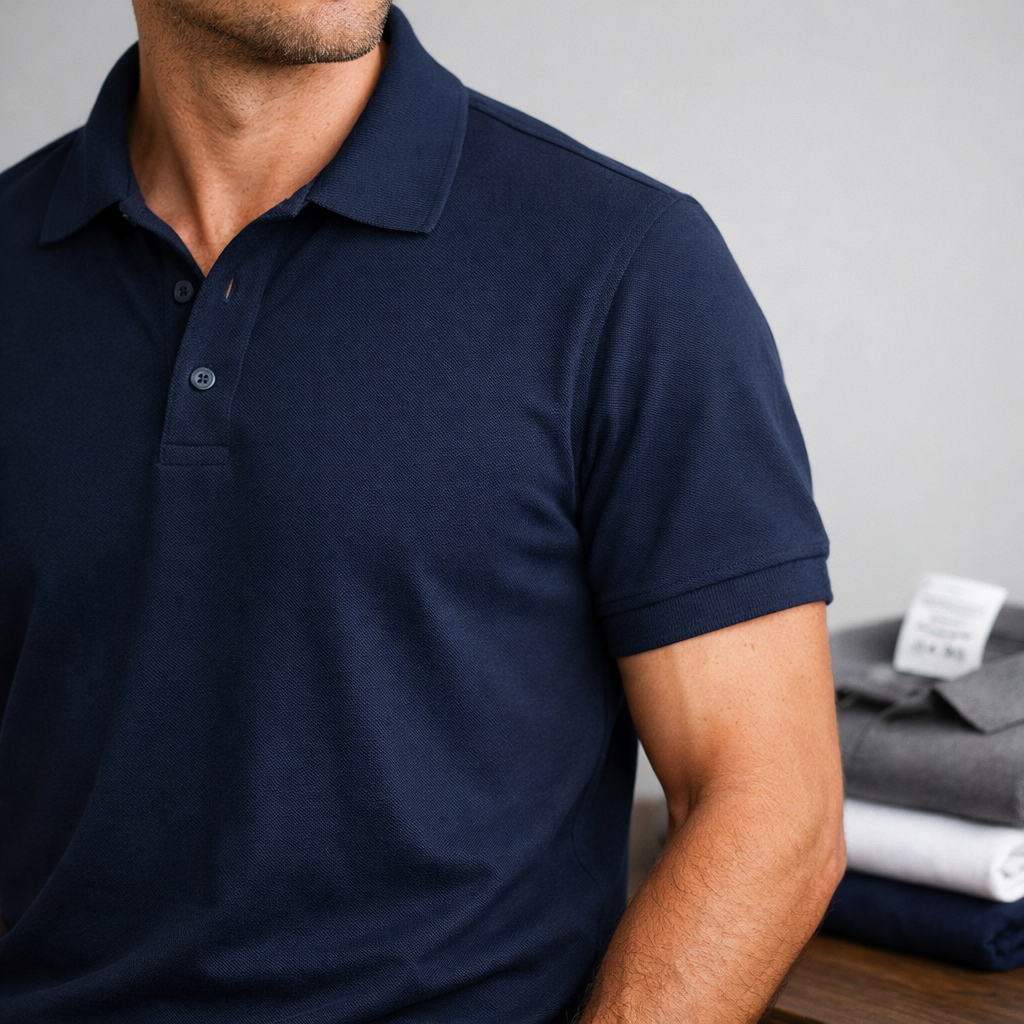
How to Choose a Men’s Polo That Fits Well and Lasts
A great polo earns its place in your weekly rotation by nailing fit, staying cool, and holding shape through repeated washes. There isn’t a single “best” men’s polo brand for fit and durability across all bodies and budgets; the winners are the ones that match your build, climate, and care habits—and are made from the right fabric with sound construction. Use the concise fit checks and durability cues below to evaluate any polo in minutes—this is the same fast screen we use at Wear Style Corner—whether you’re buying for office casual, travel, or summer heat.
Start with the right fit
Fit is the fastest predictor of how a polo looks—and how it will wear over time. Align shoulder seams with the edge of your shoulders, ensure sleeves land around mid-bicep with a light hug, and make sure the torso follows your natural lines without button gaping. If buttons pull across the chest, size up or try a different cut. A simple pinch test at the waist—aim for 1–2 inches of excess fabric—keeps the silhouette tailored without strain, which helps the fabric and seams last longer, per this practical polo fit guide from Visive Clothing (shoulders, sleeves, hem, and gaping checks) Visive Clothing’s fit guide.
Quick fit mini-table:
| Area | What to check quickly |
|---|---|
| Shoulders | Seams meet the shoulder tips—no droop off the arm or tension up the neck |
| Chest | Placket lies flat; no button gaping when you breathe or move |
| Waist | Pinch 1–2 inches of fabric at the side for a clean, athletic line |
| Sleeves | End mid-bicep; lightly hug the arm without squeezing |
Dial in sleeve and hem length
Proportions make a polo effortless to wear tucked or untucked. Sleeves should end halfway between shoulder and elbow and lightly hug the arm; being able to pinch about 0.5–1 inch of fabric at the back of your tricep signals a clean fit that won’t flare. For the torso, target a hem that falls between the middle of your zipper and the bottom of your crotch so it looks tidy untucked yet stays put when tucked, a guideline echoed in widely cited polo fit tips from menswear explainers Mensfashioner’s fit tips.
If you move a lot or tuck for work or golf, tennis tails (a slightly longer back hem) add insurance against untucking during activity—handy in dressier or athletic contexts.
Test mobility and comfort
Movement checks protect against ride-up and stress points that shorten a polo’s lifespan.
- Raise your arms and sit. Excessive hem lift or placket gaping means the shoulders or torso are too tight.
- Leave the top one or two buttons open to frame the face and ease movement; if you need an undershirt, choose a close V-neck that stays hidden.
- Choose slim if you prefer a tapered torso and closer sleeves, regular if you want everyday mobility without excess fabric.
These quick checks mirror how we assess fit in our Wear Style Corner reviews.
Choose the best fabric for your use
Fabric dictates cooling, drape, and care needs. For smart-casual, a denser cotton piqué (especially Pima/Supima) gives polish and longevity. For heat, travel, or activity, synthetics and cotton blends add moisture-wicking, quick-dry, stretch, and UV/UPF protection—and typically shrink less and are easier to maintain than 100% cotton.
Fabric chooser (match by use/climate):
| Use/Climate | Fabric type | Target weight/knit | Key features | Why it lasts |
|---|---|---|---|---|
| Office smart-casual | 100% piqué cotton (Pima/Supima) | Medium–heavy piqué (~200–240 GSM) | Breathable, structured drape | Denser yarns hold shape longer |
| Hot/humid, high sweat | Performance blend (poly/elastane or nylon) | Light, open-knit performance | Moisture-wicking, quick-dry, stretch, UPF | Lower shrinkage; easy care |
| Travel | Cotton-poly blend with stretch | Medium knit | Wrinkle resistance, quick-dry | Resists creasing; durable |
| Golf/outdoor | Technical poly/nylon blends | Light–medium with mesh zones | UPF, wicking, 4-way stretch | Built for frequent washing |
Classic piqué cotton for everyday wear
Piqué cotton is a textured knit commonly used in polos. Its raised, waffle-like pattern adds breathability and structure, helping the shirt hold its shape through wear. Heavier piqué (about 200–240 GSM) typically lasts longer and resists sagging with proper care, as detailed in Permanent Style’s guide to piqué polos Permanent Style’s guide to piqué.
Opt for Supima or other long-staple cottons in 100% piqué for comfort with density. Very light GSM piqué can fade or lose structure faster, especially with high-heat drying.
For versatile wardrobes, start with solids like navy, black, white, and gray; they dress up under blazers and down with denim.
Performance blends for heat and activity
For workouts, travel, and long outdoor days, prioritize performance features: moisture-wicking, quick-dry, stretch for mobility, and UPF sun protection—benchmarks highlighted in mainstream product tests and roundups Men’s Health performance picks. Look for spec sheets that call out UPF ratings (e.g., UPF 30) and quick-dry fabrics as a baseline for credible sun and sweat performance Pinnacle Promotions on brand features. Independent testers frequently cite blends that combine wicking and stretch as reliable everyday performers across price points The Quality Edit’s testing.
Cotton-poly blends also curb shrinkage and simplify care, making them cost-effective for frequent wear.
Fabric weight and breathability
Check GSM on product pages when available. In general, heavier piqué around 200–240 GSM retains shape and lends polish, while lighter, open-knit performance fabrics maximize airflow in hot climates.
If you run hot or travel often, prioritize quick-dry and stretch. Blends typically shrink less and handle cold-wash/low-heat care with fewer surprises than 100% cotton. Wear Style Corner prioritizes brands that publish GSM and care specs.
Inspect construction for durability
A 60-second build check can save you from collar curl, seam blowouts, and flimsy plackets. It’s the same quick screen we use before long-term testing at Wear Style Corner.
- Collar: Look for a self-collar with proper interlining or a full collar band so it sits flat, open or buttoned.
- Stitch density: Even, tight stitches and twin-needle topstitching at stress points (shoulders/sleeves) increase seam strength.
- Placket: Aligned, reinforced placket; quality buttons; clean buttonholes.
- Seams/vents: Secure side vents that don’t cut too deep; balanced front/back hems for your use case.
Collar structure and stability
Choose collars that hold shape and lie flat—interlining or a full collar band provides stability and resists curl. Shape-retentive collars look sharper open or buttoned and extend the life of the garment; these fit and build cues are outlined in SANVT’s fit guidance SANVT’s collar and fit guide.
For dressier polos, mother-of-pearl buttons and clean plackets add polish. Minimize high-heat drying, which accelerates collar curl over time.
Stitching, seams, and hems
Scan for twin-needle topstitching at the sleeves and shoulders, and clean, even stitch density throughout. Legacy techniques like loop-wheel knitting can improve durability and shape retention—used by a handful of craft-focused makers and explained in this seam-quality overview Video explainer on construction.
At the hem, look for smooth, ripple-free stitching. Sleeve hems should recover firmly when lightly stretched.
Placket, buttons, and side vents
A well-built placket sits centered, doesn’t twist, and is reinforced at the base. Durable buttons (securely sewn, clean buttonholes) cut the risk of mid-season repairs.
Side vents add mobility and drape; go moderate on vent depth unless you specifically need extra range. For active or tucked wear, tennis tails help keep the shirt anchored; otherwise, balanced vents and even hems keep lines clean.
Match color and style to the occasion
- Office or client casual: solid piqué cotton in navy, black, white, or gray.
- Weekend casual: heathered textures or micro-stripes.
- Travel: wrinkle-resistant blends in neutral tones.
- Outdoor/golf: UPF-rated performance polos with quick-dry and stretch.
Style tip: Leave 1–2 buttons open for a relaxed neckline, and skip layering a polo over another shirt to keep lines clean. To complete smarter looks, coordinate with understated footwear; our formal shoe picks can help you finish the outfit Wear Style Corner’s formal shoe picks.
Care and storage to extend lifespan
- Wash inside out in cold water and avoid bleach or harsh detergents. Air-dry flat or hang to dry; if you must use a dryer, tumble on low and remove promptly.
- Iron on low–medium with steam; use a press cloth for delicate fabrics. Avoid high heat to reduce collar curl.
- Store folded or on wide, padded hangers—not wire—in a cool, dry place to prevent yellowing and mildew.
With sensible care, a quality polo can comfortably last about 2–3 years of regular wear, per practical laundry guidance and fabric notes from manufacturing-focused resources Ninghow’s care guidance.
Quick step-by-step buying checklist
- Check shoulder seams at the edge and sleeves at mid-bicep.
- Do the pinch test (1–2 inches at the waist), raise arms, and sit—no placket gaping or severe ride-up.
- Match fabric to use: denser piqué for classic polish; blends/synthetics for heat, travel, and activity.
- Inspect collar interlining/band, twin-needle seams, stitch density, and placket/buttons.
- Confirm hem hits from mid-zipper to bottom of crotch; vents are balanced for your use.
- Plan care: prefer cold wash/low heat-friendly fabrics and proper storage to extend life.
How Wear Style Corner evaluates polos
Our criteria pillars:
- Fit accuracy and range: shoulder alignment, sleeve/hem proportion, and consistent size grading.
- Fabric and performance: piqué weight (GSM), long-staple quality; wicking, quick-dry, stretch, and UPF for active wear (as benchmarked in mainstream testing).
- Construction: collar stability (interlining/band), twin-needle seams, stitch density, placket integrity, well-balanced vents.
- Care durability: resistance to collar curl, shrinkage, and fading under cold-wash, low-heat routines.
Comparison framework (how we score tiers):
| Tier | GSM/knit example | Collar build | Seam type | Fit options | Features (examples) | Typical price |
|---|---|---|---|---|---|---|
| Elite | 200–240 GSM piqué or fine knit | Self-collar with interlining or band | Twin-needle; high stitch density | Slim, regular, tall | Optional UPF, subtle stretch | $$$ |
| DTC | Mid-weight piqué or blend | Structured self-collar | Twin-needle at stress points | Slim and regular | Wicking, quick-dry, some UPF | $$ |
| Value | Light–mid piqué or blends | Basic knit collar | Standard stitching | Regular | Basic wicking, easy care | $ |
Authenticity callout (licensed collegiate/official merch):
- Check for official hologram or licensing tag.
- Verify team and league trademarks on labels.
- Buy via official school stores, authorized retailers, or brand sites.
- Keep receipts and product shots for warranty/authentication.
Brands: want your polos tested for fit and durability? Email our test team at partnerships@wearstylecorner.com or DM us on Instagram @wearstylecorner. Press kit available on request.
Frequently asked questions
How should a polo fit across shoulders, chest, and waist?
Shoulder seams should meet the edge of your shoulders; the chest shouldn’t gape at the buttons; you should pinch about 1–2 inches at the waist for a tailored but comfortable fit. See Wear Style Corner’s buying checklist below for a quick rundown.
What’s the difference between slim, regular, and relaxed fits?
Slim tapers at the waist and hugs the arms, regular balances room and shape for daily wear, and relaxed adds ease for layering or maximum mobility. Use Wear Style Corner’s fit checks above to choose based on how you move.
Which fabrics last longest and resist shrinkage?
Heavier piqué cotton (especially Pima/Supima) holds structure well, while cotton-poly blends resist shrinkage and simplify care; performance blends add quick-dry and stretch for durability under heat and activity. Wear Style Corner’s fabric guide above outlines when to pick each.
How long should a polo be for tuck-in and untucked wear?
Aim for a hem between the middle of your zipper and the bottom of your crotch so it looks clean untucked and stays put when tucked. Wear Style Corner’s checklist below recaps this hem rule of thumb.
How do I wash and store polos to prevent collar curl and fading?
Wash inside out in cold, avoid bleach, air-dry flat or hang to dry, and iron on low–medium with steam; store on wide/padded hangers in a cool, dry place. See Wear Style Corner’s care section above for quick settings and storage tips.