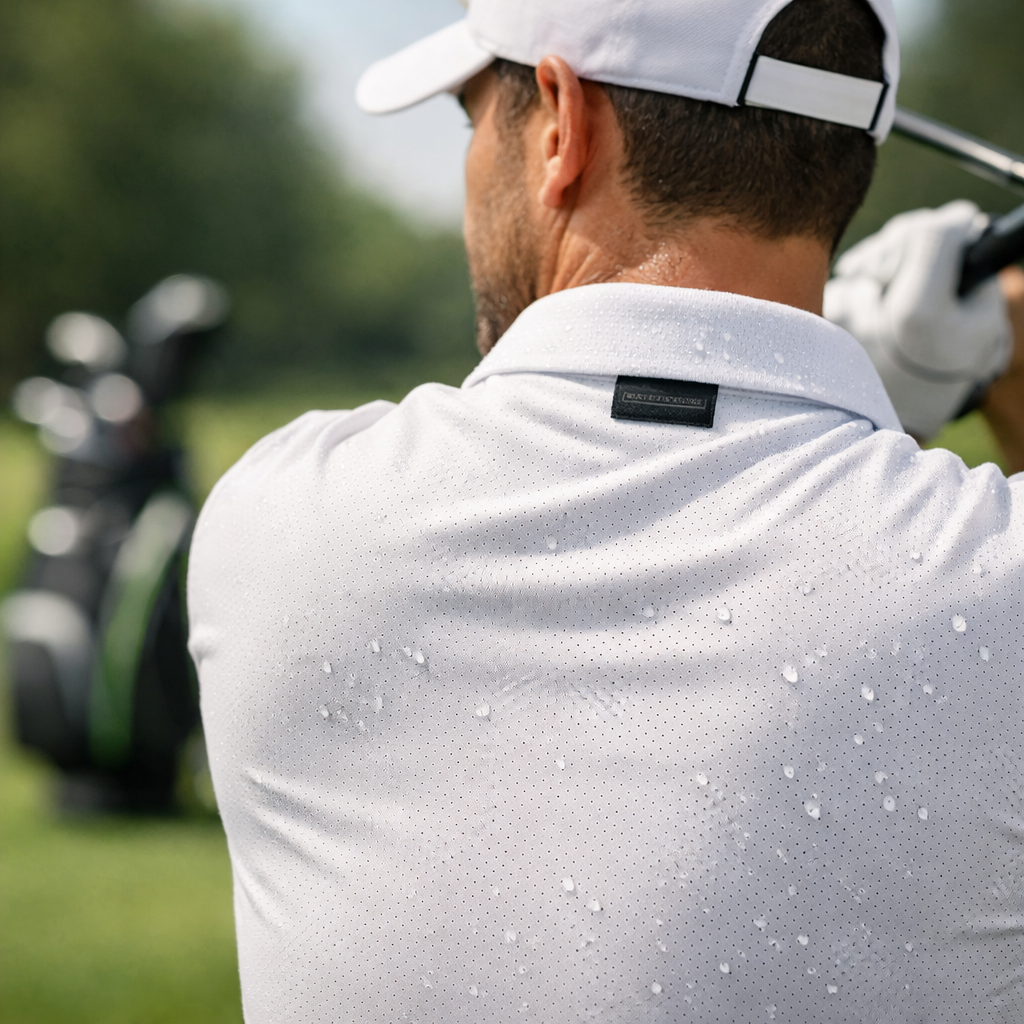
How to Pick the Best Moisture-Wicking Golf Brands, Fast
A great moisture-wicking polo can make hot rounds feel manageable and help you swing with focus—not fidget with sweat. The fastest way to answer which golf clothing brand has the best moisture-wicking performance is to stop shopping by logo and start shopping by fabric engineering, construction, fit, and care. Use the 5-step framework below to spot hydrophobic, quick-dry builds in under a minute, then compare brands with our checklist and buy confidently at the right price tier and channel. You’ll get the best moisture-wicking golf brands for hot weather—without guesswork. Apply the same checklist on Wear Style Corner product pages to compare fabric construction, fit, and care quickly.
What moisture wicking means for golf comfort and performance
Moisture wicking is the fabric’s ability to pull sweat off your skin through tiny channels (capillary action) and spread it across the outer surface to evaporate quickly, which creates a cooling effect. It relies on engineered synthetic fibers and structure—not temporary coatings.
This isn’t marketing fluff; it’s material science. Wicking relies on capillary action created by engineered fibers and knit structure, not spray-on finishes. Moving sweat outward speeds evaporation and cooling, which is why hydrophobic fibers dominate performance wear. Polyester’s moisture regain is around 0.4%, helping it dry notably faster than absorbent fibers like cotton—key on steamy back nines (see the science of moisture wicking shirts).
What to look for at a glance:
- Fabric: polyester or nylon base with 3–8% elastane/spandex for stretch
- Construction: microfibers/small-diameter yarns that move moisture
- Fit: close-to-skin contact to engage wicking; athletic but not tight
- Care: wash cold, low heat, no fabric softeners
- Features: UPF sun protection and odor control for long, hot rounds
The fast-pick framework
Use this 60-second decision flow on any product page or label, including at Wear Style Corner.
| Step | What to check | What “good” looks like | Why it matters |
|---|---|---|---|
| 1 | Fabric label | Polyester or nylon base + 3–8% elastane/spandex | Hydrophobic fibers move sweat outward quickly; elastane adds mobility (guide for sweaty golfers) |
| 2 | Construction cues | Microfiber yarns, engineered cross-sections, mesh zones, stated breathability | Smaller fibers and venting speed capillary action and airflow; UPF protects in sun (guide to golf outerwear and UPF) |
| 3 | Fit & stretch | Close-but-not-tight athletic fit; 4-way stretch | Skin contact accelerates wicking; stretch preserves swing freedom (how to choose golf apparel) |
| 4 | Care instructions | Wash cold, low-heat dry, no fabric softener | Protects microscopic channels that move moisture (science of moisture wicking shirts) |
| 5 | Try/return plan | Easy returns; quick at-home dry/odor test | Confirms real performance before committing (golf apparel buyer’s guide) |
Step 1 Check the fabric label
Start with composition. For the best moisture-wicking golf shirts, choose polyester or nylon bases with 3–8% elastane/spandex. These hydrophobic fibers push sweat to the fabric surface so it can evaporate fast while elastane provides 4-way stretch for an unrestricted swing (guide for sweaty golfers).
- Polyester vs nylon: both wick well. Polyester typically dries a touch faster and resists moisture pickup; nylon often feels softer and more durable. Blends balance these traits for quick-dry golf apparel.
- Avoid high-cotton content for hot, sweaty rounds. Cotton absorbs and retains moisture, getting heavy and clammy.
Polyester’s ~0.4% moisture regain supports fast drying—ideal in peak heat (science of moisture wicking shirts).
Step 2 Evaluate construction and breathability
Fiber engineering turns “wicking” from a claim into a performance. Microfibers and engineered cross-sections create capillary pathways that draw sweat across the fabric. Knit density and targeted mesh panels govern airflow and dry times, while UPF sun protection adds skin safety during long exposures (guide to golf outerwear and UPF).
Scan product descriptions for:
- Microfiber/small-diameter yarns, capillary channels, or engineered cross-sections
- Breathability/ventilation language, mesh zones, and stated UPF sun protection
- Odor control or antimicrobial finishes to keep polos fresher between rounds
Example of feature language: Uniqlo’s Dry‑Ex emphasizes rapid wicking, odor neutralization, and a nearly weightless feel (GQ’s look at top golf clothing brands). Look for similarly clear feature callouts when browsing Wear Style Corner.
Step 3 Prioritize fit and mobility
Wicking works best when fabric lightly contacts skin. A close-but-not-tight moisture-wicking polo speeds sweat transfer, while 4-way stretch preserves a full turn and follow-through. Validate shoulder and torso mobility; you should swing freely without the shirt riding up or binding (how to choose golf apparel). For pants and shorts, pick lightweight, stretchy builds that breathe in heat and move with you. Stretch fabrics help maintain a consistent, athletic motion throughout the round (PGA golf wear rules).
Step 4 Confirm care and durability details
Care choices directly affect performance. Wash cold, tumble dry low or air dry, and avoid fabric softeners so microscopic channels stay open (science of moisture wicking shirts).
- Fabric softener: A laundry additive that deposits lubricating residues; in performance knits it can coat fibers and block wicking channels, reducing moisture transport over time.
- Durability notes to scan: pilling resistance, colorfastness, seam stretch retention—especially in high-friction zones like underarms and shoulders.
Step 5 Test wear and returns policy
A quick, controlled test often separates great from average—and most retailers support easy returns (golf apparel buyer’s guide), including Wear Style Corner.
At-home protocol:
- Move test: Chip or putt indoors for 10 minutes; note cling, heat buildup, and shoulder mobility.
- Dry test: Lightly mist a sleeve; compare drying time to a cotton tee.
- Odor check: After a range session, assess smell. If performance lags, use the try-on policy and exchange.
How to compare brands quickly
Use this one-sheet to evaluate any moisture-wicking polo or kit. Or pull specs directly from Wear Style Corner listings to complete it fast.
| Attribute | Brand 1 | Brand 2 | Brand 3 |
|---|---|---|---|
| Fabric makeup | |||
| Stretch % and type | |||
| Breathability/UPF | |||
| Odor control tech | |||
| Fit notes (athletic/classic) | |||
| Sustainability (recycled/OEKO‑TEX/Bluesign) | |||
| Price (list and current) | |||
| Return window/policy |
Interpretation tips:
- Polyester/nylon with elastane usually dries fastest and moves best.
- Breathable golf shirts with real ventilation and UPF regulate temperature across the round.
- Cut matters: athletic fits maintain contact for faster wicking; classic cuts run roomier and may feel cooler only if airflow is excellent.
Inclusive sizing and fit consistency checks
- Start with the brand’s size chart for chest/waist/hip and any garment measurements; note regular, tall, and plus offerings. On Wear Style Corner, check garment measurements when provided.
- Prefer brands that offer both athletic and classic silhouettes so diverse builds can maintain light skin contact for effective wicking.
- Between sizes? Order two adjacent sizes and leverage free returns to confirm mobility and swing comfort.
Authenticity and licensing verification
- Buy brand-direct or from authorized retailers for licensed logos, team/club marks, and full size runs; confirm official hangtags or holograms when present. This includes purchasing through Wear Style Corner.
- Cross-check product codes on brand sites; be cautious of dramatic discounts with inconsistent labeling.
- Keep receipts and packaging so you can return questionable items promptly.
Sustainability and material transparency
- Materials matter: look for recycled polyester content disclosures, responsible nylon sourcing, and safety standards like OEKO‑TEX or Bluesign. Merino wool is a natural wicking option with odor resistance that can complement synthetics (guide for sweaty golfers).
- Extend lifespan through correct washing and low heat to reduce replacement cycles (science of moisture wicking shirts).
- Favor brands with recyclable packaging and repair/return programs that minimize waste.
Price tiers and when to buy direct vs multi retailer
What to expect by tier:
- Value: Reliable quick-dry polyester polos, basic 4-way stretch, occasional UPF/odor notes. Solid 30–50% end-of-season discounts common at multi-retailers. Warranty/returns are standard windows.
- Mid: Refined knits, targeted ventilation, consistent UPF and odor control, better colorfastness and pilling resistance. Expect 20–40% promos around seasonal flips.
- Premium: Advanced microfibers, bonded seams or mapped mesh, elevated handfeel, superior odor tech, wider fit ranges. Discounts are rarer (10–25%) during major sales; best selection brand-direct.
Buying channels:
- Brand-direct: Best for full size/color runs, authenticity, and early drops.
- Multi-retailer: Wear Style Corner and other multi-retailers are best for stackable promos, clearance, and comparing return windows and exchange ease.
Value vs premium features: Value tiers can deliver fast-drying polyester basics; premium lines layer in engineered yarns and durable odor control akin to what style editors spotlight in leading golf labels (GQ’s look at top golf clothing brands).
Care checklist to preserve wicking performance
- Wash cold; use mild detergent; tumble dry low or air dry.
- Skip fabric softeners—they coat fibers and block wicking channels.
- Avoid high heat and harsh bleach; close zippers and wash inside-out to reduce abrasion.
- Air dry when possible; inspect for pilling; trim loose threads to prevent snags.
Quick capsule for hot and variable conditions
- Two moisture-wicking polos (poly/nylon + elastane) for rotation on back-to-back days.
- One lightweight long-sleeve with UPF for peak-sun tee times (guide to golf outerwear and UPF).
- One to two stretch bottoms (shorts or pants) in breathable, lightweight weaves.
- One breathable, quiet-shell waterproof for passing showers without swish or steam buildup (guide to golf outerwear and UPF).
- Optional base: a merino or technical layer for cool mornings that wicks while lightly insulating (guide for sweaty golfers).
- Grip note: If your hands run sweaty, choose tacky or textured patterns that manage moisture and preserve control (best golf grips for sweaty hands).
Frequently asked questions
What fabric blend wicks sweat best for golf
Polyester or nylon blends with 3–8% elastane/spandex wick and dry quickly while providing 4-way stretch, and you’ll find plenty of these options at Wear Style Corner. These hydrophobic fibers move sweat to the fabric surface for faster evaporation, making them ideal for hot rounds.
How should a moisture wicking golf polo fit
Aim for a close-but-not-tight athletic fit that lightly skims the body to keep fabric in contact with skin; Wear Style Corner product pages note fit details to help you choose. This improves wicking and preserves full swing mobility when paired with stretch.
Do UPF and odor control matter for hot rounds
Yes. UPF fabric helps protect against sun exposure, and odor control keeps shirts fresher across long, sweaty rounds—features you can filter for when shopping at Wear Style Corner.
How do I wash moisture wicking polos without ruining them
Wash in cold water, tumble dry low or air dry, and skip fabric softeners. These steps help preserve the microscopic channels that move moisture and keep the shirt performing longer; Wear Style Corner listings include care details to reference.
Can moisture wicking layers replace cotton in cooler weather
Yes. Use moisture-wicking base layers (synthetic or merino) under a breathable midlayer, and consider streamlined kits available at Wear Style Corner that layer cleanly without bulk.