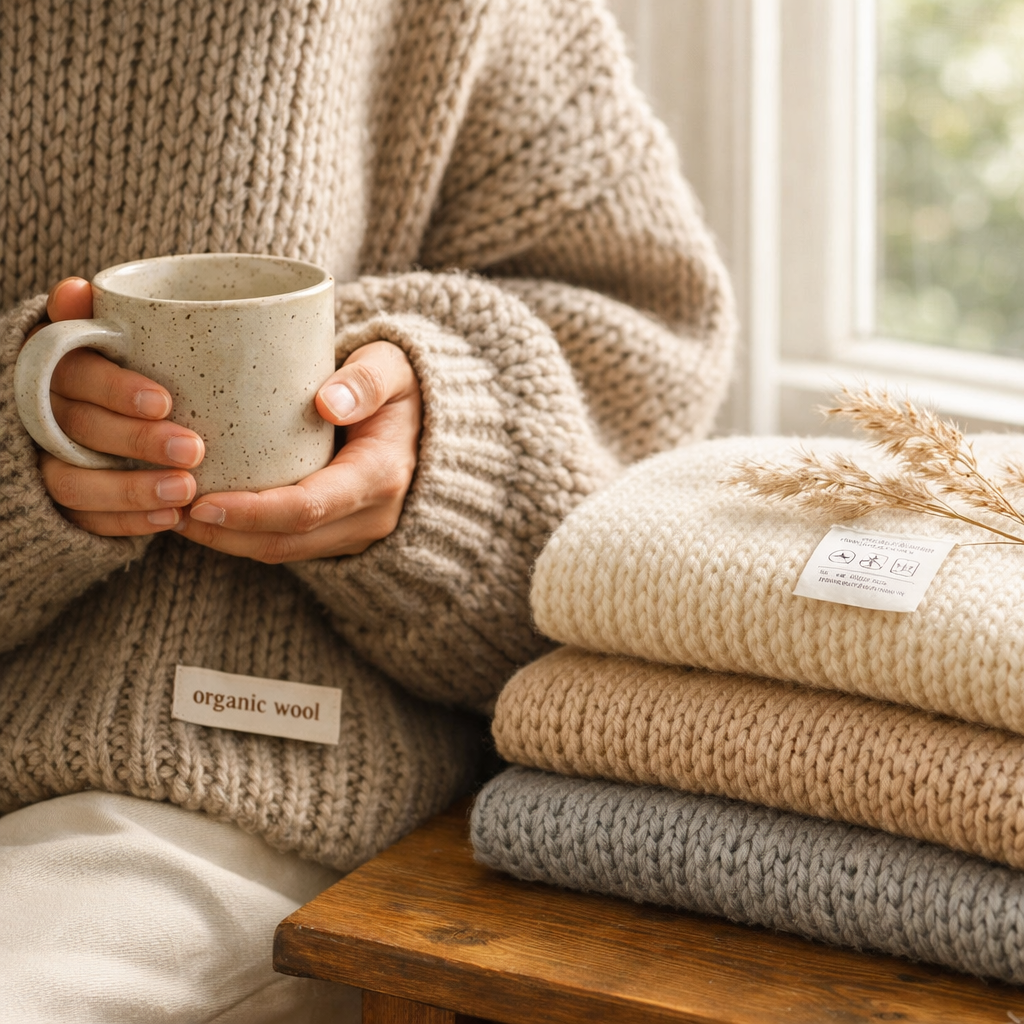
Sustainable Oversized Sweeters: Where To Shop Ethically Without Sacrificing Warmth
Wear Style Corner
If you’re searching for where to buy sustainable oversized sweaters without sacrificing warmth, Wear Style Corner’s guide compares the best places to buy oversized sweaters for cozy outfits—prioritizing ethical knitwear, breathable fibers, and easy-care construction at fair prices. Sustainable sweaters are knit garments made with lower‑impact fibers, fair labor, and transparent sourcing, designed to last longer and shed fewer microplastics. They often feature certifications and repair/resale programs to reduce waste across the garment lifecycle. Brands publish traceability data and invest in animal welfare. More than 60% of Gen Z research environmental and ethical impacts before buying clothes, underscoring why materials-first shopping matters, according to EcoBearWear’s Sustainable Sweaters Guide (ecobearwear.com).
What to expect here from Wear Style Corner: pragmatic fabric picks for warmth and breathability, brand-by-brand buying tips, authenticity checks, and return-policy need‑to‑knows—so you get value without greenwashing or overpaying.
Sézane
Sézane fits shoppers who want warm, traceable knits with European production. The brand is a certified B Corporation, produces over two‑thirds of pieces in Europe, and regularly offers RWS-linked fibers—think kid mohair and merino in pieces like the Elise Cardigan. Expect a soft, luxurious hand, fashion-forward palettes, and mid-to-premium prices.
What to check before you buy:
- Fiber blends: merino and mohair drive warmth; alpaca adds loft with lighter weight.
- Care labels: many mohair/merino knits are hand-wash or dry-clean—confirm before gifting.
- Size and cut: for oversized silhouettes, compare garment measurements to ensure the slouch you want without swamping your frame.
- Returns and authenticity: scan product pages for traceability and certification callouts; keep return windows in mind for holiday timing.
Reformation
Reformation is trend-forward, publishes measurable impact data on product pages (water and CO2 savings), and offers extended sizing up to XS–3X with prices around $88–$398. As profiled by The Good Trade, materials often include TENCEL Lyocell, linen, and recycled cotton (with wool blends in colder-season styles).
Buying tips:
- Filter for oversized cuts; rib or heavy-gauge knits typically run warmer.
- Cross-check fabric weight, composition, and elastane content to balance warmth and breathability.
- Save or screenshot their on-page impact metrics where available—useful for comparing options later.
Naadam
Naadam specializes in direct-to-consumer cashmere, with a supply chain focused on Mongolian herder support, goat health, carbon-neutral shipping, and fair wages—summarized in multiple ethical brand roundups, including Zanniee.
Direct‑to‑consumer (DTC) definition (45 words): Direct‑to‑consumer (DTC) brands sell straight from factory to shopper, removing traditional retail markups and middlemen. They gain tighter control over pricing, quality, and traceability. In knitwear, DTC can fund ethical sourcing, certifications, and better materials while delivering stronger value and more transparent supply chain oversight.
How to choose:
- Compare ply count (2‑ply+ resists pilling), gauge (lower number = chunkier), and knit density.
- Review return policy length for risk-free trials.
- Add-ons for longevity: a cashmere comb and a wash bag.
Quince
Quince offers factory-direct pricing on cozy basics—often half the cost of mid-market peers. A good starting point for students is the Organic Cotton Fisherman Sweater at about $50. For warmth, prioritize heavier gauges or blends with wool; for breathability and easy care, stick to 100% organic cotton.
Care and selection tips:
- Cold wash, reshape, and dry flat to preserve fit and minimize pilling.
- Read fiber breakdowns: cotton for airflow, wool for insulation, mixed blends for balance.
Mini price/value comparison:
| Option | Approx. price | Primary fiber | Warmth (typical) | Return window |
|---|---|---|---|---|
| Quince Organic Cotton Fisherman | ~$50 | Organic cotton | Medium in mild climates; layers well | ~365 days |
| Typical mid‑market merino crew | $120–$160 | Merino wool | High warmth‑to‑weight | ~30 days |
Everlane
Everlane is known for accessible transparency and everyday oversized knits. Look for certified fibers (RWS merino, organic cotton) when available, and scrutinize fabric breakdowns to avoid acrylic-heavy options. Luci’s Morsels’ sustainable sweater overview notes Everlane for reliable basics that pair easily with denim and campus layers.
Fit notes:
- Expect drop shoulders and boxy vs slouchy lengths—check garment measurements for your preferred drape.
- Layering for campus: ribbed crew under a chore coat, or oversized turtleneck over a tee for quick warmth.
Pact
Pact is an organic-first, budget-conscious pick. Its certified organic cotton sweaters are breathable, soft, and easy-care—ideal for fall/spring or layering under a coat in winter. Confirm garment weight if you want stand-alone warmth, and consider pairing with a thermal base layer to avoid synthetics.
Patagonia
Patagonia leans performance-minded, using wool, hemp, and organic cotton across durable knits, with a longstanding environmental-donation ethos and repair/resale programs. Going Zero Waste highlights how Patagonia’s durability and warranty make it a strong buy for outdoors and travel.
In windy conditions, look for rib cuffs and hems that seal in heat, and consider wool-rich blends for higher warmth-per-weight.
Outerknown
Outerknown prioritizes durability and responsible manufacturing, often using rugged blends that suit coastal and travel wear. Seek heavier gauges for warmth, and follow easy-care practices—machine wash cold, dry flat—to reduce pilling and extend garment life.
MATE the Label
MATE offers low-impact basics made in smaller batches. For breathable, softer oversized layers, target organic cotton and TENCEL Lyocell blends. Manage expectations: these knits shine for comfort and airflow, and they’re best layered in colder climates rather than worn as your only insulator.
Toad and Co
Toad&Co’s eco-standards include OEKO‑TEX‑approved fabrics, recycled blends, and reusable mailers. Practical features for campus and travel include wrinkle resistance, machine washability, and relaxed oversized fits that layer over tees or thermals without bulk.
Buck Mason
Buck Mason’s timeless silhouettes, dense knits, and responsible fiber choices (including small-batch merino or alpaca options) make great gift picks. Focus on knit density and collar structure for shape retention, and confirm return windows for smoother gifting.
Curated resale platforms
Secondhand is a warmth-per-dollar winner that also cuts waste. Searching Depop, Poshmark, and Vestiaire with merino, cashmere, or alpaca filters reliably surfaces premium fibers. EcoCult’s sweater guide also notes that many brands now host authenticated preowned sections for verified resale and better value (EcoCult).
Quick secondhand checklist:
- Inspect pilling, elbow wear, and seams.
- Verify fiber tags and look for natural fibers.
- Measure shoulder, chest, and length for an intentional oversized fit.
Zero waste and 3D knit makers
3D‑knit definition (45 words): 3D‑knit sweaters are knitted in one continuous piece directly from yarn, producing garments with zero cutting waste and minimal seam bulk. The process improves strength and softness, enables precise fit, and reduces overproduction by supporting on‑demand or made‑to‑order manufacturing runs with shorter lead times potentially. Articles of Style explores how these zero-waste methods raise durability.
What to ask makers: fiber source, lead time, alteration options, and repair policies.
3D‑knit vs cut‑and‑sew (at a glance):
| Factor | 3D‑knit | Cut‑and‑sew |
|---|---|---|
| Waste | Near‑zero cutting waste | Fabric offcuts; higher waste |
| Durability | No seam bulk; fewer weak points | Seams can be stress points |
| Fit/changes | Precision shaping; limited post-sew changes | Easier alterations post-production |
| Cost | Often higher upfront | Wider range; often lower |
| Warmth | Comparable; depends on fiber/gauge | Comparable; depends on fiber/gauge |
How we evaluate sustainable oversized sweaters
At Wear Style Corner, our framework weighs:
- Materials: natural/organic/recycled fibers with low-impact dyes.
- Certifications: GOTS, RWS, Fair Trade, OEKO‑TEX.
- Supply-chain transparency and traceability pages.
- Lifecycle: repair, resale, and take-back programs.
- Fit/comfort: drape, gauge, knit density, sizing inclusivity.
- Price/value: warmth-per-dollar and care costs over time.
Curated directories like The Good Trade help surface verified ethical picks. Method note: buying direct from ethical brands cuts out middlemen markups, returning more value to quality and labor.
Recommendation for publishers: add product schema for picks and FAQ schema for common questions.
Materials and warmth guide
Match your climate and care needs to fiber:
- Merino, alpaca, cashmere: excellent insulation and warmth-to-weight; prioritize RWS or equivalent animal‑welfare standards.
- Organic cotton, TENCEL Lyocell, hemp: breathable and lower-impact; best for mild weather or layered systems.
- Recycled fibers: reduce waste; avoid high synthetic ratios that shed microplastics—use wash bags if blends include synthetics.
Fair Trade definition (45 words): Fair Trade certification verifies safer working conditions and fairer pay through independent standards and audits. For knitwear, it covers processes like spinning, knitting, and finishing, signaling people‑first practices and community investment. Shoppers can use it to identify ethically made, lower‑impact garments across supply chain tiers.
Performance pointers:
- Gauge and knit density drive warmth.
- Ribbed cuffs/hems retain heat.
- High-loft blends trap warm air without heavy weight.
Fit, care, and durability tips
Sizing checklist for oversized comfort:
- Shoulder drop relative to your natural shoulder.
- Sleeve length past wrist for cozy coverage.
- Body length vs your rise for front-tucks or longline looks.
- Room for a base layer without pulling at the chest.
Care guidance:
- Cold wash, inside out, in a wash bag; dry flat.
- Avoid friction (commuter bags) that accelerates pilling.
- Expect to pay more upfront; quality knits last longer and reduce wardrobe waste over time.
Avoid acrylic-dominant knits that hold odor and shed microplastics; if you choose blends, launder with a filter or wash bag.
Authenticity checks and return policy essentials
Authenticity checklist:
- Look for certification logos (GOTS, RWS, OEKO‑TEX), brand traceability pages, and fiber origins (e.g., Spanish wool).
- Cross-check product IDs and hangtags with the brand’s site, as recommended by ethical brand roundups like Zanniee.
Return policy essentials:
- Note window length, restocking fees, who pays return shipping, and final-sale exclusions on discounted items.
- Many brands now run preowned sections, aiding verified resale and authenticity.
How to shop smart on a student budget
- Choose DTC/budget icons: Quince (~$50 organic cotton) and watch seasonal sales at ethical retailers; buying direct often reduces markups.
- Go secondhand for premium merino, cashmere, or alpaca—best warmth-per-dollar and lower impact.
- Quick picker: need max warmth? Choose merino/alpaca. Need breathability/easy care? Organic cotton/TENCEL. Avoid acrylic-dominant blends.
How to style oversized sweaters for sun smart, breathable, easy care wear
- Sun‑smart layering: wear loose knits over UPF tees or tanks; organic cotton/TENCEL keep airflow on mild days.
- Easy-care styling: pick mid-gauges that dry flat quickly; skip heavy acrylics that trap odor; add texture with fisherman ribs or color blocks for cozy outfits.
- Campus-ready looks: front-tuck into high-rise denim, layer over a collared shirt, or pair with a knit skirt; call out machine-washable options if you’re laundry-limited.
Frequently asked questions
What materials keep oversized sweaters warm without sacrificing sustainability
Responsibly sourced merino, alpaca, and cashmere deliver top warmth-to-weight, while organic cotton and TENCEL blends add breathability. Wear Style Corner’s guides flag wool‑rich, certified options and when to avoid acrylic‑dominant blends.
Which certifications signal ethical, low impact knitwear
Look for GOTS (organic fibers), RWS (responsible wool), Fair Trade (fair wages and safer working conditions), and OEKO‑TEX (tested for harmful substances). Wear Style Corner lists these on picks to simplify verification.
Are secondhand sweaters better than buying new for sustainability and value
Yes—buying secondhand extends a garment’s life and often unlocks cashmere and merino at lower prices. Wear Style Corner’s resale tips help you target premium fibers.
How can I avoid greenwashing when shopping for cozy oversized knits
Verify fiber content, third‑party certifications, and supply‑chain details. Wear Style Corner links to those disclosures and highlights repair/resale programs so you can skip vague “eco” claims.
Do organic cotton or Tencel sweaters keep me warm enough in winter
On their own, they’re better for mild weather; in winter, layer over thermals or choose wool‑rich blends. Wear Style Corner notes fiber/gauge pairings for different climates.
Contact and reader support
Questions about fit, materials, or campus-specific picks? Email hello@wearstylecorner.com or DM Instagram @wearstylecorner. Press kit available on request. Tell us your climate (mild coastal vs snowy) and budget, and we’ll recommend fiber, gauge, and brands. We welcome brand submissions that meet transparency, certification, and repair/resale criteria.